

What Should a Plumbing Owner Verify About Contractor Platform Inclusions?
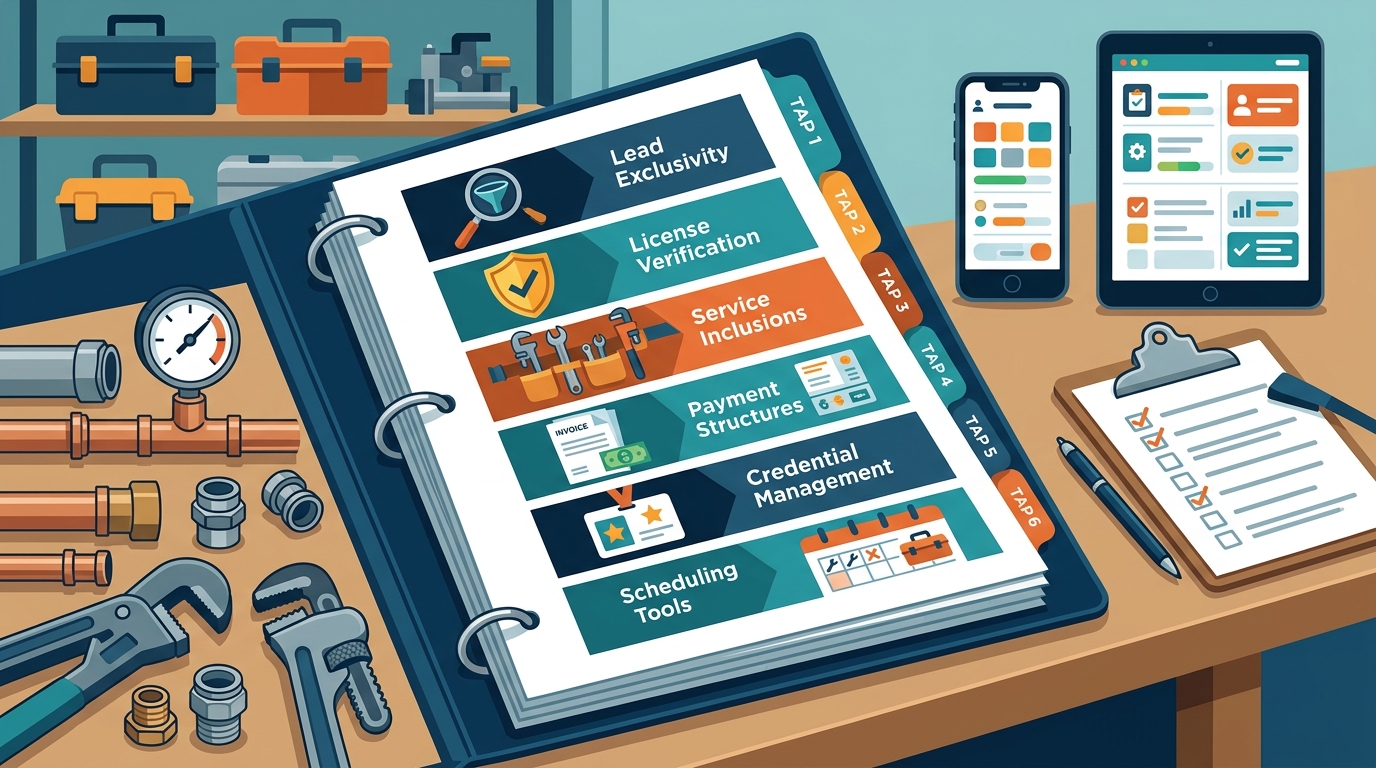
Plumbing owners must verify that their contractor platform includes lead exclusivity, license verification, service inclusions, payment structures, credential management, and scheduling tools. HeyFred helps plumbing contractors manage customers, jobs, quotes, and invoices by voice or text. This guide covers the six critical areas you must audit before committing to any business management software.
Lead Exclusivity
Lead exclusivity is a contractual guarantee that a platform will not sell your customer data or job leads to competing contractors. Without this protection, your hard-earned customer relationships become a commodity for your competitors. Many generic platforms operate on a lead marketplace model where the highest bidder gets the job, which erodes your profit margins and brand loyalty. For additional details, review the Privacy Policy HeyFred.
Why Exclusivity Matters for Plumbers
Plumbing is a relationship-driven trade. Customers often return for maintenance, repairs, and emergency services. If a platform shares your lead with a competitor, you lose not just the initial job but the lifetime value of that customer. Verify that the platform’s terms of service explicitly state that your customer data remains your property. HeyFred is designed to keep your customer details, jobs, and invoices together, ensuring that the data you generate stays within your business ecosystem.
Red Flags in Lead Marketplaces
Look for language in contracts that mentions 'lead sharing' or 'marketplace access.' If the platform allows other contractors to bid on your leads, you are effectively renting your customer base. A true business assistant should act as an extension of your team, not a broker. Ensure that any AI or automation tool you use is bound by strict data privacy policies that prevent third-party access to your client records.
License Verification
License verification is the process of confirming that a contractor holds the necessary state and local permits to perform plumbing work. Operating without a valid license exposes you to fines, legal liability, and insurance denial. Many jurisdictions, such as Chicago and New York, require specific licensing for plumbing contractors to install, alter, or maintain piping systems. For additional details, review the HeyFred Your AI business.
State and Local Compliance
Plumbing licensing varies significantly by location. In Washington, for example, the Department of Licensing requires a specific plumbing contractor license and a designated plumber for the business. In Michigan, the Bureau of Consumer and Industry Safety oversees plumbing examinations and licensing. Your platform should help you track these credentials and ensure they are current. Chicago requires a specific license for plumbing contractors, and failing to verify this can halt your operations.
Automating Compliance Tracking
Manual tracking of licenses is error-prone. A robust platform should allow you to upload license documents and set expiration reminders. This ensures that you are always compliant with local regulations. HeyFred helps you keep business records organized, which includes managing the documentation required for legal compliance. By centralizing these records, you reduce the risk of accidental lapses that could cost you thousands in fines.
Service Inclusions
Core Features vs. Add-ons
Identify the non-negotiable features for your plumbing business. These typically include job scheduling, quote generation, invoice creation, and payment collection. Some platforms charge extra for each additional feature, which can quickly inflate your monthly costs. Verify that the platform offers clear Good, Better, Best packages that align with your business size. HeyFred offers clear package options that help you choose the right level of support for your operation.
Hidden Costs and Limitations
Read the fine print regarding usage limits. Some platforms cap the number of jobs, customers, or invoices you can process per month. If you exceed these limits, you may face overage fees or be forced to upgrade. Ensure that the platform scales with your business without punitive pricing structures. Transparency in service inclusions is critical for long-term financial planning.
Payment Structure
Payment structure refers to how the platform handles billing, payment collection, and payouts. You need to understand the fees associated with processing customer payments and the timing of payouts to your bank account. Hidden fees can significantly impact your net profit, especially on smaller jobs.
Transaction Fees and Payouts
Most platforms integrate with payment processors like Stripe to handle credit card and bank transfer payments. Verify the transaction fees charged per payment and the payout schedule. Some platforms hold funds for a set period before releasing them to your account, which can affect your cash flow. Ensure that the payment structure aligns with your business needs and that you understand all associated costs.
Integration with Invoicing
The payment system should integrate seamlessly with your invoicing tools. This allows you to send invoices and collect payments in a single workflow. HeyFred helps you keep customers, jobs, and invoices together, streamlining the process from quote to payment. A unified payment structure reduces administrative overhead and minimizes errors in billing.
Contractor Credentials
Contractor credentials include the qualifications, certifications, and insurance details of the individuals working under your business. Verifying these credentials ensures that your team is qualified to perform the work and that you are protected in case of accidents or disputes. Many states require specific certifications for plumbers, such as journeyman or master plumber licenses.
Tracking Employee Qualifications
Keep a record of each employee’s licenses, certifications, and training history. This documentation is often required for insurance claims and legal compliance. A platform that allows you to store and manage employee credentials helps you stay organized and compliant. In Pennsylvania, for example, some municipalities have established local licensure or certification requirements for contractors. Your platform should help you track these local requirements.
Insurance and Liability
Scheduling and Dispatch Tools
Scheduling and dispatch tools are the backbone of any plumbing business. They allow you to assign jobs to technicians, optimize routes, and manage your team’s availability. Effective scheduling reduces downtime and improves customer satisfaction by ensuring that the right technician is at the right place at the right time.
Route Optimization and Job Assignment
Look for features that allow you to visualize your team’s schedule and optimize routes. This helps reduce travel time and fuel costs. Some platforms offer automated dispatching, which assigns jobs based on technician availability and location. Verify that the scheduling tools are user-friendly and can be managed from a mobile device. HeyFred allows you to check your next job and manage your schedule without digging through a dozen menus.
Customer Communication
Key Takeaways
- Lead Exclusivity: Ensure your platform does not sell your customer data to competitors.
- License Verification: Track state and local plumbing licenses to maintain compliance.
- Service Inclusions: Verify that core features like quoting and invoicing are included in your plan.
- Payment Structure: Understand transaction fees and payout schedules to protect your cash flow.
- Contractor Credentials: Manage employee licenses and insurance documentation for legal protection.
- Scheduling Tools: Use route optimization and automated dispatch to improve efficiency.
- Scalability: Ensure the platform can grow with your business without punitive pricing.
Frequently Asked Questions
What is lead exclusivity in a contractor platform?
Lead exclusivity is a contractual guarantee that a platform will not share your customer data or job leads with competing contractors. It ensures that your customer relationships remain your property.
Why is license verification important for plumbing contractors?
License verification ensures that you and your team hold the necessary permits to perform plumbing work. Operating without a valid license can result in fines, legal liability, and insurance denial.
What are service inclusions in a contractor platform?
Service inclusions are the specific features and tools available in your subscription tier. They define what you can do with the platform, such as creating quotes, sending invoices, and managing schedules.
How does payment structure affect my plumbing business?
Payment structure refers to how the platform handles billing and payouts. Hidden fees and delayed payouts can impact your cash flow and net profit. Understanding the structure helps you plan your finances effectively.
What contractor credentials should I track?
You should track employee licenses, certifications, and insurance policies. These documents are required for legal compliance and can be used to prove coverage in case of accidents or disputes.
How do scheduling and dispatch tools improve efficiency?
Scheduling and dispatch tools allow you to assign jobs, optimize routes, and manage your team’s availability. This reduces downtime and improves customer satisfaction by ensuring timely service.
Can HeyFred help with license verification?
Yes, HeyFred helps you keep business records organized, which includes managing documentation required for legal compliance. This helps you track licenses and ensure they are current.
Is HeyFred suitable for small plumbing businesses?
Yes, HeyFred is designed to help contractors of all sizes manage their business. It offers clear package options and helps you keep customers, jobs, and invoices together, making it ideal for small to mid-sized plumbing companies.