

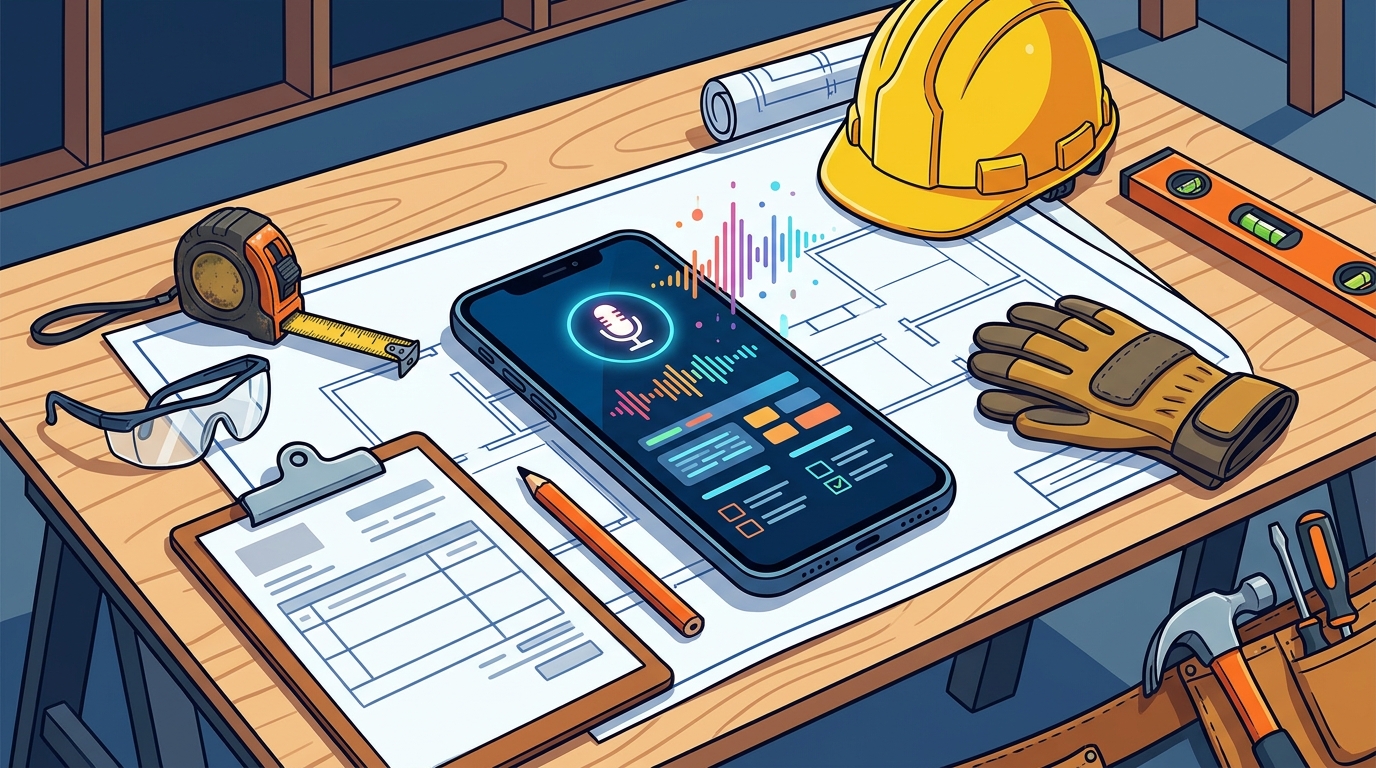
Contractors use voice-driven quoting by speaking job details directly into a mobile app, which transcribes the audio into structured data for estimates. This method eliminates the need to type on a small screen while on-site. HeyFred, an AI employee for home-service pros, allows you to dictate notes that are instantly converted into draft quotes. This approach saves time and reduces the friction of creating professional proposals in the field.
The Problem with Typing on Site
Traditional quoting methods often require contractors to type out details on a phone or tablet. This is difficult when wearing gloves or working in low light. Typing on a small screen is a primary source of friction for field workers. It slows down the process and increases the chance of errors. Many contractors delay sending quotes until they return to the office. This delay can cost them the job to a faster competitor. For additional details, review the HeyFred signup.
How Voice-to-Text Works in Practice
HeyFred uses this technology to turn job notes into quote drafts. You speak what needs doing, and the system prepares the details. It keeps customer details, prepares quotes, and checks the next job. This workflow is designed for trades like HVAC, plumbing, and electrical. The system handles the administrative burden while you focus on the work. The result is a faster path from job completion to proposal delivery.
Benefits of Voice-Driven Quoting
The primary benefit of voice quoting is speed. Contractors can create a draft quote in minutes rather than hours. This speed improves the customer experience. Clients receive proposals faster, which builds trust. Faster response times are a critical factor in winning competitive bids. A quick, professional quote signals competence and reliability. It shows the client that the contractor is organized and efficient.
Another benefit is accuracy. Speaking naturally allows for a more complete description of the work. You can explain the scope of the project in your own words. The system captures these details without the need for complex formatting. This reduces the risk of missing important information. It also makes the quote easier for the customer to understand. Clear communication leads to fewer questions and faster approvals.
Implementing Voice Workflows in Your Business
Adopting voice-driven quoting requires a shift in habit. Contractors must get comfortable speaking their notes clearly. This does not mean formal language. It means being specific about the work performed. For example, saying "replaced the 2-inch PVC pipe under the sink" is better than "fixed the pipe." Specificity helps the AI create an accurate line item. It also helps the customer understand what they are paying for.
Common Challenges and Solutions
One challenge with voice input is background noise. Job sites can be loud, which may affect transcription accuracy. To mitigate this, contractors should speak clearly and close their mouths. They should also try to minimize background noise when possible. Some apps have noise-cancellation features that help in these situations. It is important to review the transcription before sending the quote. This ensures that the AI understood the details correctly.
Another challenge is the learning curve. New users may feel awkward speaking into their phone. This is normal and fades with practice. Start with simple notes and build up to full quotes. HeyFred allows you to review the work before choosing what to share. This gives you control over the final output. You can edit any part of the quote before sending it. This safety net makes the transition to voice quoting less intimidating.
Key Takeaways
- Voice-driven quoting eliminates the need to type on small screens in the field.
- Structured data extraction turns spoken notes into organized quote drafts.
- Faster quote delivery improves customer experience and increases win rates.
- Specific verbal descriptions lead to more accurate and clear proposals.
- Tools like HeyFred are designed specifically for home-service contractor workflows.
- Reviewing AI-generated drafts before sending ensures accuracy and professionalism.
Frequently Asked Questions
Do I need to speak in a specific format?
No, you do not need to use a specific format. You can speak naturally, as if you were explaining the job to a colleague. The AI is designed to understand natural language. It will identify key details like materials, labor, and costs. You can always edit the draft before sending it to the customer.
Can I use voice quoting for all types of jobs?
Yes, voice quoting works for most types of jobs. It is particularly useful for complex projects with many line items. For simple jobs, it is still faster than typing. HeyFred supports a wide range of trades, including HVAC, plumbing, and electrical. The system adapts to the details you provide.
What happens if the AI mishears a word?
If the AI mishears a word, you can correct it in the draft. The system allows you to review and edit all details before sending. This ensures that the final quote is accurate. It is a good practice to read through the draft quickly to catch any errors.
Is voice quoting secure?
Yes, reputable platforms use secure connections to transmit voice data. HeyFred handles your business records securely. Your data is protected and used only to run the service. You can review the privacy policy to understand how your data is handled.
How long does it take to create a quote with voice?
It typically takes a few minutes to dictate the details. The AI processes the audio and creates a draft almost instantly. You can then review and send the quote. This is significantly faster than typing out the same information manually.
Conclusion
Voice-driven quoting is a practical solution for contractors who want to save time. It removes the friction of typing on-site and speeds up the proposal process. HeyFred provides a dedicated tool for this workflow, designed specifically for home-service pros. By adopting this method, you can improve your efficiency and customer satisfaction. Start by trying it on your next job and see the difference.